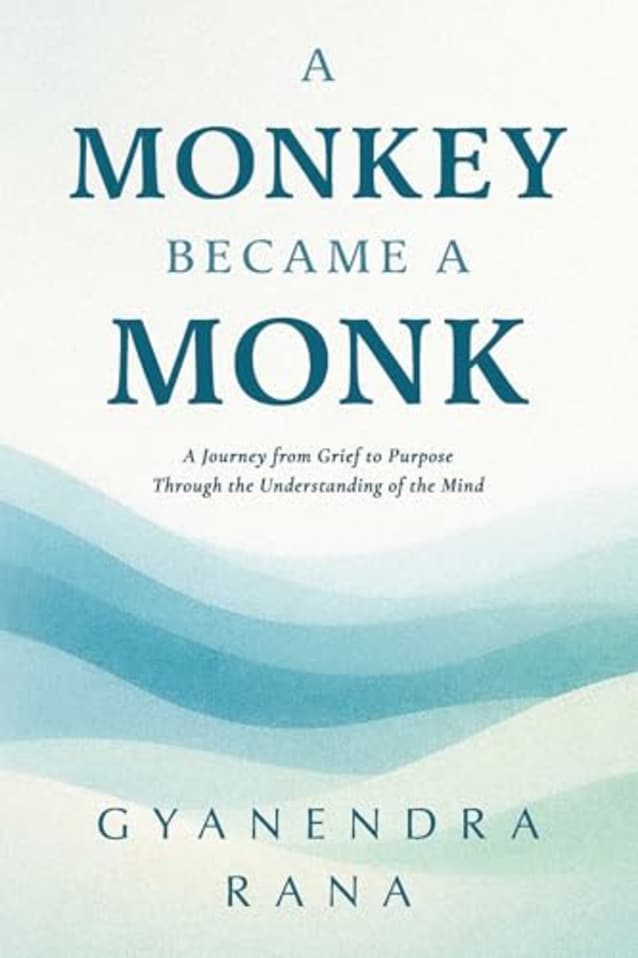
In a world overflowing with pressure and distraction, A Monkey Became a Monk offers a clear and compassionate path forward. Blending neuroscience,...
or
Learn More
In a world overflowing with pressure and distraction, A Monkey Became a Monk offers a clear and compassionate path forward. Blending neuroscience,...

5.0 out of 5 stars A Masterclass in Awareness and Resilience
Reviewed in the United States on February 18, 2026
Format: KindleVerified Purchase
A Monkey Became a Monk is a soulful roadmap for anyone navigating the fog of grief or the noise of a scattered mind. Following Anurag’s transformation from deep loss to grounded clarity under Guru Krishna’s guidance, the book beautifully illustrates how our greatest pains can be repurposed into our highest missions.
The central takeaway is profound yet simple: Awareness changes the landscape of the soul. I loved how the book demystifies the "monkey mind," reframing fear as mere shadows and meditation as a homecoming. The nature-inspired metaphors make ancient wisdom feel accessible and fresh.
One line, in particular, has become my new mantra: “Be a mountain in your values and a river in your response.”
It’s a comforting companion for the grieving and a steady hand for the chaotic. It reminds us that clarity isn't something to be found, but something to be uncovered. Highly recommended.
What I found in A Monkey Became a Monk was something much deeper and more persona than just a book about mindfulness. Walking alongside Anurag through his grief, confusion, and quiet search for meaning felt incredibly real. The early chapters, especially those centered around loss and the feeling of being emotionally untethered, stayed with me long after I put the book down. The journey to the ashram and the conversations that unfold there don’t feel abstract or overly philosophical. They feel grounded, human, and honest.
What was truly amazing about this book, was how it blends story with practical insight. The teachings about the mind, awareness, fear, and anxiety are explained in a way that actually makes sense in everyday life. I found myself reflecting on my own habits of worry and self-judgment while reading. This isn’t a dramatic, overnight transformation story. It’s steady and thoughtful, reminding me that healing is a practice and that peace comes from understanding the mind rather than fighting it. It left me feeling calmer, clearer, and more hopeful.
This book really surprised me in the best way. It starts with deep personal loss and follows Anurag as he travels to an ashram searching for peace, where conversations with Guru Krishna slowly help him untangle grief, anxiety, and the constant chatter of the mind. What I loved most is how relatable it felt. Even when the teachings got philosophical, they were grounded in real emotions like guilt, fear, and love. I enjoyed reading this because it made me pause and reflect on my own thoughts instead of just racing through the pages. It is thoughtful, comforting, and quietly powerful without ever feeling preachy.